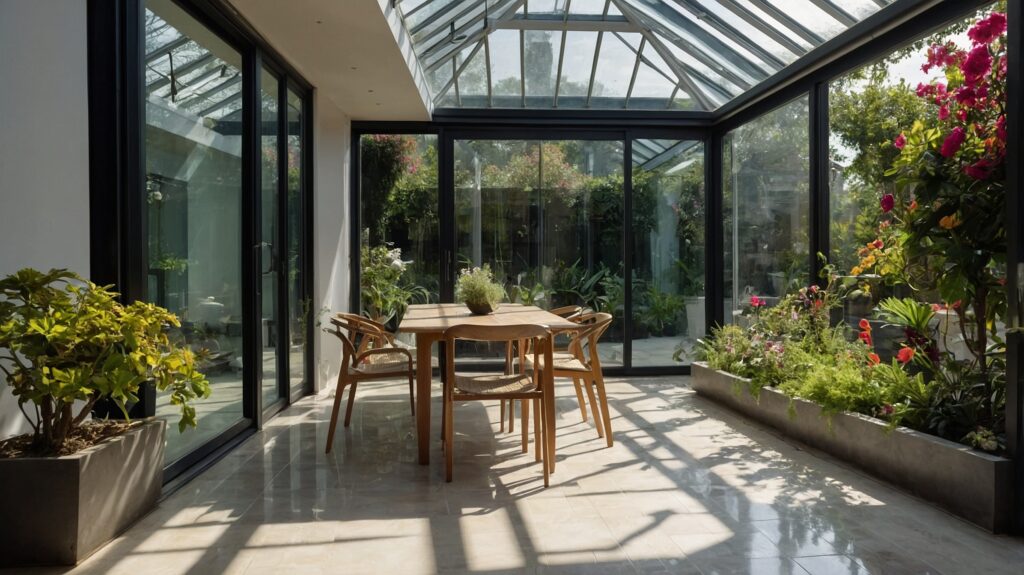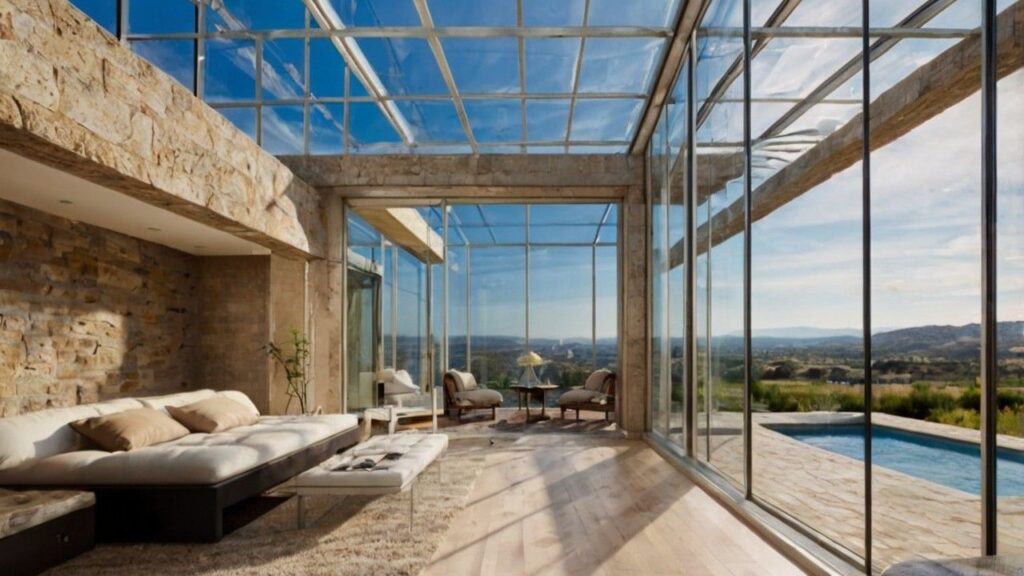
2026 Fully Fitted Conservatory: Cost Breakdown (Typical 3m x 3m Build)
Fully fitted conservatory prices can vary widely. From the cheapest conservatory types to the most experienced fitters, we cover everything you need to know to make an informed decision.
Remember, the cheapest option isn’t always the best in the long run. Focus on finding the right balance between fully fitted conservatory cost and quality.
With this guide, you will be equipped to make informed decisions about your conservatory project, ensuring you get the best value for your investment.
These are rough estimates, and your actual costs may vary depending on your specific requirements and location.
How do I make sure I’m not getting ripped off? Estimated Costs and What’s Included?
| Component | Estimated Cost | What’s Included? |
|---|---|---|
| Groundwork & Footings | £2,500 – £4,500 | Excavation, concrete base, DPC, and waste removal. |
| Frames & Glazing | £4,000 – £7,000 | uPVC/Aluminium frames + A-rated toughened glass. |
| Professional Labor | £2,000 – £3,500 | Expert fitters, bricklayers, and project management. |
| Roof Installation | £1,500 – £5,000 | Polycarbonate, Glass, or Solid/Tiled roof fitting. |
| Electrical & Plastering | £800 – £1,500 | Internal wiring, sockets, lighting, and wall finishing. |
| Waste (Skip Hire) | £300 – £600 | Removal of soil and construction debris. |
How to Compare Three Different Fitted Quotes: The 2026 Homeowner’s Checklist
Receiving three quotes is the industry standard, but the lowest price is rarely the best value. To ensure you are comparing “apples to apples,” use this technical checklist to vet your conservatory estimates:
| The Check | Why it Matters | What to Look For |
|---|---|---|
| Foundation Depth | Bungalows and houses on clay soil require deeper footings to prevent “heave” or cracking. | Ensure the quote specifies a minimum foundation depth (e.g., 600mm–1000mm) and skip hire for soil removal. |
| Thermal Compliance | New 2026 standards require extensions and modern conservatories to hit strict energy targets. | Look for a guaranteed U-value of 0.15 W/m²K for solid/flat roofs and a minimum of 1.2 W/m²K for glazing. |
| The ‘Fitted’ Definition | Some “budget” quotes only cover the shell, leaving you to find an electrician or plasterer. | Check if internal electrics (sockets/lighting), internal plastering, and floor screeding are itemized. |
| Vetting & Security | Rogue traders often disappear before the 10-year warranty expires. | Confirm the installer provides an Insurance Backed Guarantee (IBG) and is FENSA or CERTASS registered. |
Geena’s Expert Tip: The ‘Hidden Waste’ Trap
Always ask your installer if the quote includes the removal of the old conservatory and the soil excavated for the new base. A truly ‘fully fitted’ price should cover your project from the first shovel in the ground to the final skip leaving your driveway.
How long does a fully fitted installation take?
2–4 weeks depending on foundations.
Fully Fitted vs. DIY Kits: Why professional fitting is safer for 2026 Building Control
While the “DIY dream” of a weekend conservatory build is enticing for the budget-conscious, the 2026 regulatory landscape has made the gap between a kit and a professional installation wider than ever. Since the update to Part L of the Building Regulations, the margin for error has effectively vanished.
Here is why professional fitting isn’t just about saving your back—it’s about ensuring your home remains legal and energy-efficient.
1. The 0.15 U-Value Barrier
- The DIY Risk: Achieving this level of thermal efficiency requires precise “warm roof” construction, where high-performance insulation is layered without gaps (thermal bridging). One small gap in a DIY insulation layer can lead to condensation, mold, and a failure notice from the inspector.
- The Professional Edge: Accredited fitters use pre-engineered systems designed specifically to hit these targets. They understand the “dew point” and ensure the vapor barriers are airtight, guaranteeing that the structure meets the 0.15 threshold.
2. Self-Certification (The FENSA/CERTASS Advantage)
When you go the DIY route, you are responsible for inviting Local Authority Building Control (LABC) to inspect the work at multiple stages (foundations, damp proofing, and final completion). This is expensive and time-consuming.
- The DIY Risk: If you miss a notification stage or an inspector isn’t happy with your foundation depth, you may be forced to dig up your work.
- The Professional Edge: Installers registered with FENSA or CERTASS can self-certify their work. They provide you with a certificate that proves compliance with 2026 standards—documentation that is essential when you eventually come to sell your home.
3. Structural Integrity & Soil Conditions
DIY kits often assume a “perfect” site, but the UK’s geography is rarely that kind.
- The DIY Risk: Kit instructions don’t usually account for high-water tables, proximity to trees, or clay-heavy soil that “heaves.” A DIY base that is only 600mm deep might crack within two winters.
- The Professional Edge: A fully fitted service starts with a technical survey. Professionals will calculate the required foundation depth (often 1000mm+ in high-risk areas) and ensure the structural link to your main house is flexible enough to allow for natural movement without leaking.
| Feature | DIY Kit | Professional Fully Fitted |
|---|---|---|
| 2026 Compliance | High risk of failure on U-values. | Guaranteed to meet Part L standards. |
| Foundations | Standardized (risky on poor soil). | Site-specific (engineered for stability). |
| Certification | Homeowner must pay for LABC inspections. | Installer self-certifies (included). |
| Resale Value | Can be seen as a “liability” by surveyors. | Viewed as a “certified extension” asset. |
Geena’s Expert Take: Having seen the backend of over 300 trade sites, I’ve noticed a surge in ‘rescue’ jobs where professionals are called in to fix DIY builds that failed the 0.15 U-value test. In 2026, the cost of an LABC failure and the subsequent remedial work usually far exceeds the initial savings of a kit. If you want a space that adds genuine value to your bungalow or house, professional fitting is the only way to secure ‘Genuine Industry Authority’ status.
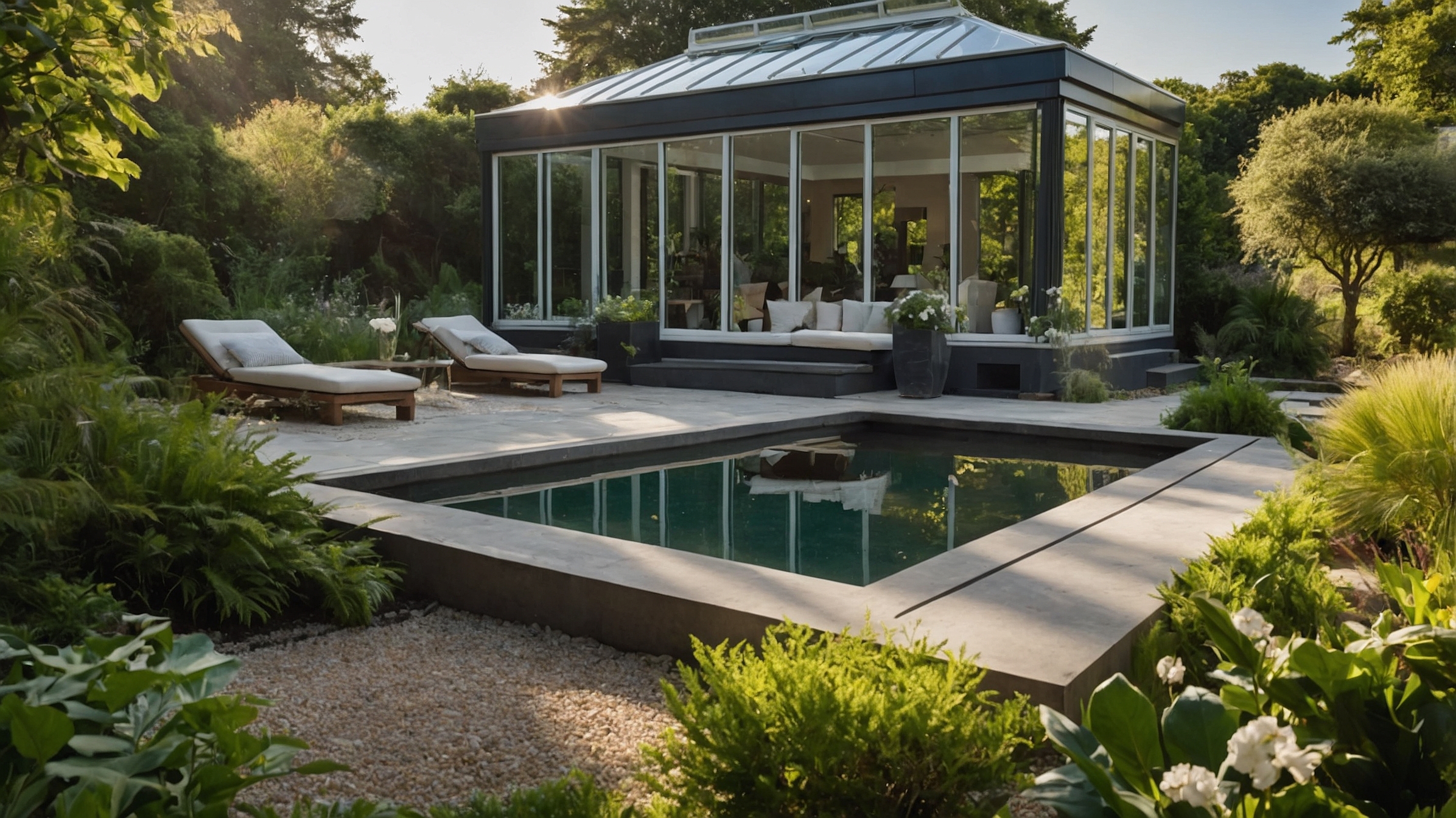
The average cost of a fully fitted conservatory in the UK ranges from £10,000 to £30,000.
However, prices can vary significantly based on factors such as size, style, materials, and location.
Budget options can start from around £7,000, while luxury conservatories can exceed £50,000.
how much does a Fully Fitted conservatory cost, Budget and Luxury?
Why Should You Listen to Us?
We specialize in translating complex 2026 Building Regulations and thermal efficiency standards into clear, actionable data for modern homeowners. By combining our deep technical background with a “Knowledge First” philosophy, we empower you with the facts before you ever speak to a contractor.
We only partner with accredited, pre-screened specialists (FENSA, Gas Safe, CERTASS) because we believe your home deserves expert craftsmanship backed by genuine industry authority.
Understanding Conservatory Costs: Factors that Influences the Price?
Size and Style: The dimensions and design of your conservatory significantly impact the price. Larger conservatories or those with complex designs will naturally cost more.
Materials: The choice of frame material (uPVC, aluminium, or timber) and glazing options affect both the price and performance of your conservatory.
Roof Type: Different roof styles (glass, polycarbonate, or tiled) come with varying costs and benefits.
Installation Complexity: The difficulty of the installation process, including any necessary groundwork, can influence the overall price.
Location: Prices can vary depending on your location within the UK, with London and the Southeast generally being more expensive.
Additional Features: Extras such as underfloor heating, electrical work, or custom finishes will add to the total cost.
Cheapest Conservatory Types: Affordable Options for UK Homeowners
If you’re working with a tight budget, don’t worry – there are several affordable conservatory options available:
Lean-to Conservatories Starting from: £7,000 – £10,000 (fully fitted)
The lean-to conservatory is often the most budget-friendly option. Its simple, rectangular design makes it easy to install and requires fewer materials. This style is perfect for smaller homes or those with limited garden space.
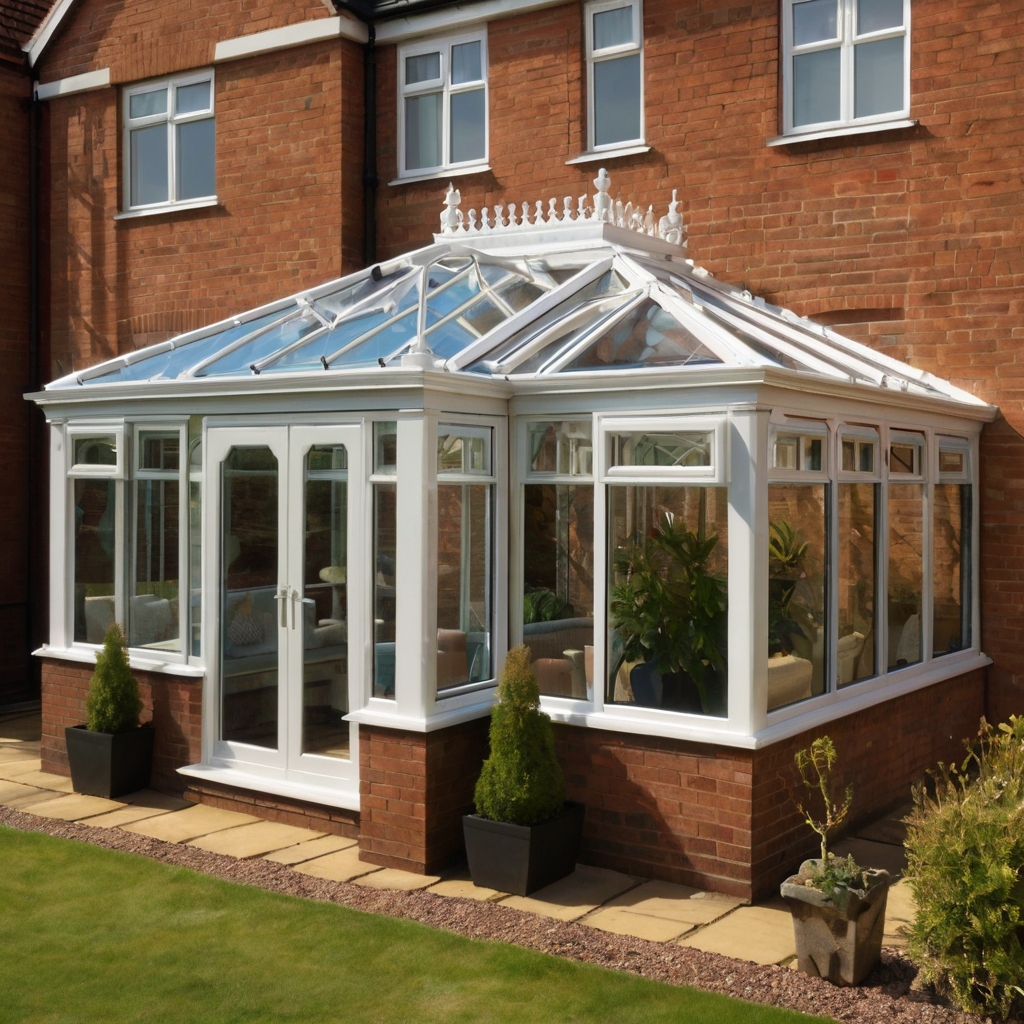
Victorian Conservatories Starting from: £9,000 – £13,000 (fully fitted)
Despite their classic appearance, Victorian conservatories can be relatively affordable, especially when constructed with uPVC frames. Their popularity means that many manufacturers offer competitive prices.
Edwardian Conservatories Starting from: £10,000 – £14,000 (fully fitted)
Similar in price to Victorian styles, Edwardian conservatories offer a squared-off design that maximizes internal space. This can make them a cost-effective choice for those seeking more usable floor area.
uPVC Framed Conservatories: uPVC is generally the most affordable frame material. Opting for uPVC over aluminium or timber can significantly reduce your conservatory costs.
Polycarbonate Roofing: Choosing a polycarbonate roof instead of glass can reduce costs by 30-40%. While it may not offer the same thermal efficiency or noise reduction as glass, it’s a popular choice for budget-conscious homeowners.
Easiest Conservatories to Install: Certain conservatory types stand out:
Lean-to Conservatories: Their simple design makes them the easiest and quickest to install.
Pre-fabricated Conservatories: Many manufacturers offer pre-fabricated options that can be assembled quickly on-site.
uPVC Framed Conservatories: Lightweight and easy to work with, uPVC conservatories are typically faster to install than aluminium or timber alternatives.
Single-Story Conservatories: Avoiding the complexity of two-story designs simplifies the installation process.
Standard Sizes: Opting for a standard-sized conservatory rather than a bespoke design can speed up both manufacturing and installation.
Remember, while these options may be easier to install, it’s crucial not to compromise on quality for the sake of convenience.
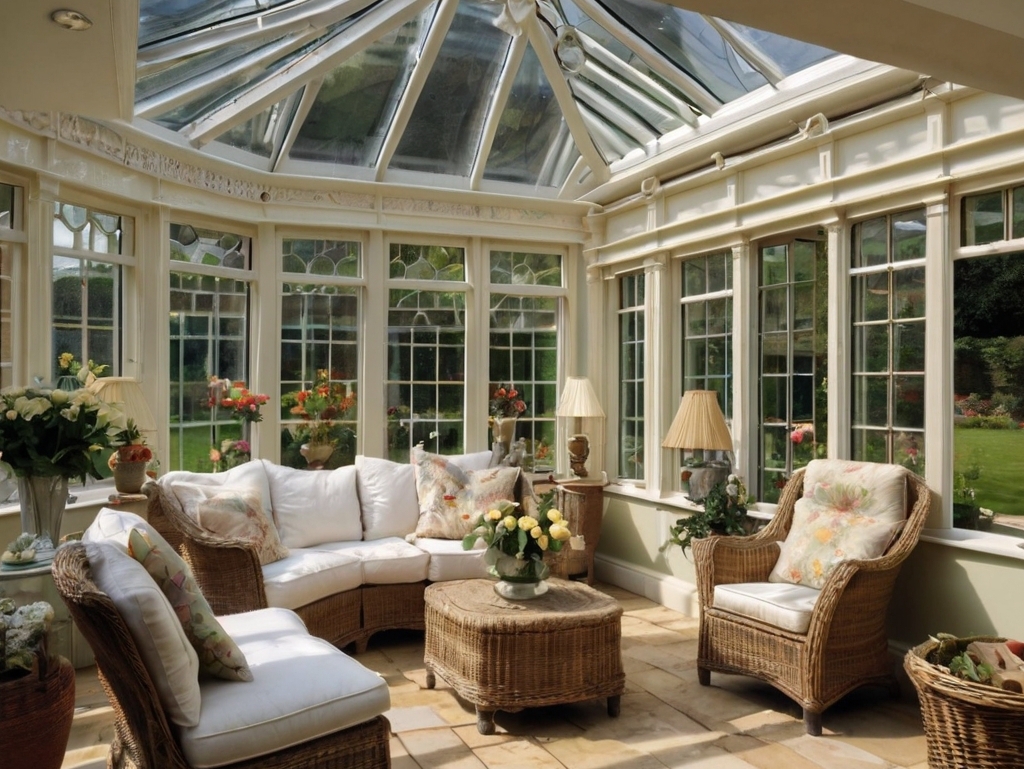
What should be in your Fully Fitted contract?
Choosing the Most Experienced Fitter: Ensuring Quality Installation
The quality of your conservatory installation is just as important as the conservatory itself. Here’s how to choose an experienced and reliable fitter:
The quality of your conservatory installation is just as important as the conservatory itself. Here’s how to choose an experienced and reliable fitter:
- Check Credentials: Look for memberships in professional bodies such as the Glass and Glazing Federation (GGF) or the Fenestration Self-Assessment Scheme (FENSA).
- Read Reviews: Check online reviews and testimonials from previous customers. Platforms like Trustpilot or Checkatrade can be valuable resources.
- Ask for References: Don’t hesitate to ask potential fitters for references from recent clients.
- Experience Matters: Inquire about how long the company has been in business and how many conservatories they’ve installed.
- Visit Showrooms: If possible, visit the company’s showroom to see examples of their work and discuss your project in person.
- Get Multiple Quotes: Obtain quotes from at least three different fitters to compare prices and services.
- Examine Warranties: A reputable fitter should offer comprehensive warranties on both materials and workmanship.
Save Up to 40% on Your Project
Focus on competitive pricing could save up to 40% and these savings might allow you to choose higher-quality materials or add extra features.
Fully Fitted Checklist
What should be in your Fully Fitted contract?
- Survey Fee: Is a professional technical survey included in the price?
- VAT: Is the 20% VAT included in the final ‘fitted’ price?
- Insurance Backed Guarantee (IBG): Does the quote include protection if the company ceases to trade?
- Building Regs Sign-off: Does the fitter handle the certificate of compliance for 2026 standards?
Essential Certifications and Accreditations for UK Conservatory Installers
To ensure you’re working with a qualified and trustworthy conservatory installer, look for the following certifications and accreditations:
FENSA: (Fenestration Self-Assessment Scheme) FENSA ensures that companies comply with building regulations and energy efficiency standards. All FENSA-registered companies are regularly assessed to maintain high standards.
GGF: (Glass and Glazing Federation) GGF members adhere to a strict code of practice and offer consumer protection through their insurance-backed guarantee scheme.
DGCOS: (Double Glazing & Conservatory Quality Assurance Scheme) This government-authorized scheme offers comprehensive consumer protection and dispute resolution services.
TrustMark: A government-endorsed quality scheme covering a wide range of trades, including conservatory installation.
Which? Trusted Traders An endorsement scheme run by consumer champion Which?, assessing and approving businesses based on customer satisfaction and business practices.
BBA: (British Board of Agrément) The BBA certifies construction products and installers, ensuring they meet rigorous UK standards.
MTC: (Minimum Technical Competencies) Installers should have MTC cards demonstrating their competence in specific areas of conservatory installation.
Always ask potential installers about their certifications and don’t hesitate to verify their claims with the relevant organizations.
Ben Edwards
Budgeting for Your Conservatory: Understanding the Full Costs
When planning your conservatory project, it’s essential to consider all potential costs:
Base and Foundations: £1,000 – £3,000 Proper groundwork is crucial for a stable conservatory. Costs can vary depending on soil conditions and site access.
Conservatory Structure: £5,000 – £20,000+ This includes the frame, conservatory roof, and glazing. Prices vary widely based on size, style, and materials.
Installation: £1,500 – £5,000 Labour costs for installation can vary depending on the complexity of the project and your location.
Interior Finishes: £1,000 – £5,000 Consider flooring, plastering, and decorating costs to make your conservatory a comfortable living space.
Heating and Electrics: £1,000 – £3,000 Ensure your conservatory is usable year-round with proper heating and lighting.
Planning Permission and Building Regulations: £200 – £1,000 While many conservatories fall under permitted development, some may require planning permission or building regulations approval.
Additional Features: £500 – £5,000+ Consider any extras you might want, such as blinds, air conditioning, or smart home integration.
UK-Based Support Team
Knowledgeable, UK-based support team is familiar with local markets, regulations, and trends, so you’ll always get relevant and current advice.
Total Fully Fitted Conservatory Prices:
How much does a conservatory, average cost of a conservatory. How much is a fully fitted conservatory? How much does it cost per square foot to build a conservatory?
Budget Option: £10,000 – £15,000
Mid-Range Option: £15,000 – £30,000
Luxury Option: £30,000 – £50,000+
The cost to build a conservatory per square foot typically ranges from £850 to over £3,900 per square meter, which is approximately £80 to £335+ per square foot. These are rough estimates, and your actual costs may vary depending on your specific requirements and location.
Thoroughly Vetted Professionals
Every supplier goes through a strict vetting process, including credit checks and accreditation verification.
Making Your Conservatory Cost-Effective: Tips and Tricks
While a conservatory is an investment, there are ways to make it more cost-effective:
Choose Energy-Efficient Glazing: Opt for double or triple glazing to reduce heating costs.
Consider a Solid Roof: While initially more expensive, a solid roof can improve thermal efficiency and reduce energy bills.
DIY Where Possible: While the main structure should be professionally installed, you might be able to save on interior finishing by doing some work yourself.
Time Your Purchase: Some companies offer seasonal discounts, particularly during quieter winter months.
Negotiate: Don’t be afraid to negotiate on price, especially if you’re getting multiple conservatory quotes.
Future-Proof Your Design: Invest in a versatile design that can adapt to your changing needs, avoiding costly modifications later.
Final Thoughts: Investing in a fully fitted conservatory is a significant decision. With the right information and careful planning, it can be a rewarding project. By understanding the factors that influence prices and choosing the right style and materials, you can create a beautiful and functional space that adds value to your home without breaking the bank.
What is the average cost of a fully fitted conservatory in the UK?
The average cost of a fully fitted conservatory in the UK ranges from £10,000 to £30,000. However, prices can vary significantly based on factors such as size, style, materials, and location. Budget options can start from around £7,000, while luxury conservatories can exceed £50,000.
Do I need planning permission to install a conservatory?
In many cases, conservatories fall under ‘permitted development‘ and don’t require planning permission. However, there are exceptions, particularly if your property is listed, in a conservation area, or if the conservatory exceeds certain size limits. It’s always best to check with your local planning authority before proceeding.
What’s the most cost-effective conservatory material?
uPVC is generally the most cost-effective material for conservatory frames. It’s durable, low-maintenance, and offers good insulation properties. While it may not have the premium look of timber or aluminium, it provides excellent value for money.
How long does it take to install a conservatory?
The installation time for a conservatory can vary depending on its size and complexity. On average, a standard conservatory can take between 3-4 weeks to install fully. This includes groundwork, construction, and finishing. Simpler designs like lean-to conservatories might be quicker, while more complex or bespoke designs could take longer.
Are conservatories a good investment?
Conservatories can be a good investment, potentially adding 5-15% to your home’s value. They provide additional living space and can be an attractive feature for potential buyers. However, the return on investment depends on factors such as the quality of the installation, how well it complements your property, and local market conditions. A well-designed, energy-efficient conservatory is more likely to add value to your home.
All our suppliers are members of one or more consumer protection groups below.

Simply Fill in Your Details, and Receive Competitive Quotes from Accredited Companies Tailored to Your Project!
Choosing Comparison Market means tapping into nearly two decades of industry experience and a ‘Knowledge First’ philosophy. We’ve navigated the complexities of the UK market from the inside out, providing you data-driven research and access to a vetted network of accredited specialists.
Unparalleled market insights, a network of skilled professionals vetted, accredited and reference – credit checked who can handle projects of all sizes. Knowledgeable, UK-based team will ensure a smooth, informed experience from start to finish.
To send us your marketing and other service offers, please use the following email: offers@comparison.market